
Whether you're a newbie gardener or an old pro, this easy DIY gardening hack will surely add a splash of convenience to your green space.
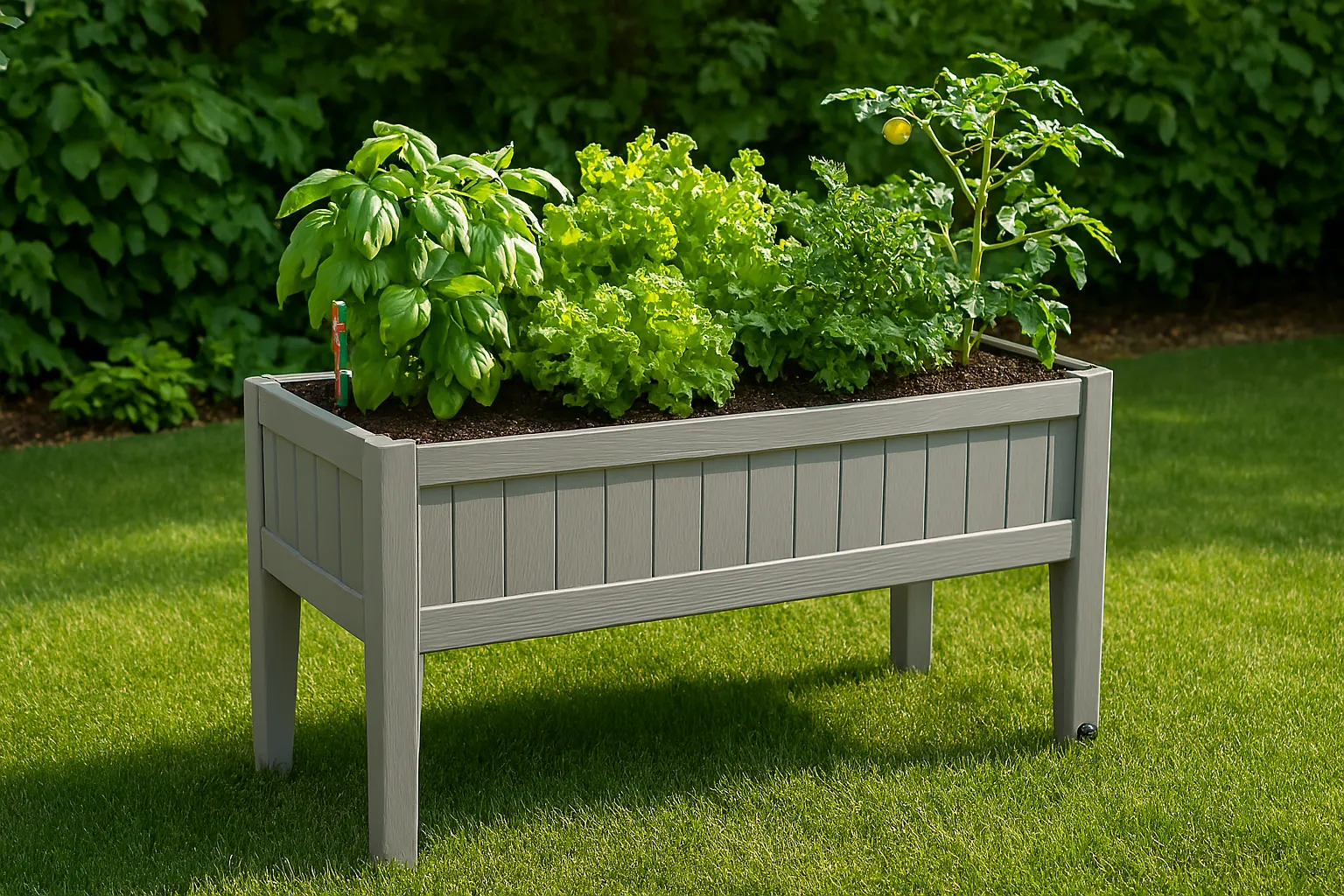
DIY Self-Watering Planter: Build Your Own in 30 Minutes
Table of contents [Show]
Introduction
Hello, fellow plant lovers! Ever dreamt of having lush green plants without the daily watering chore? Well, dreams come true with a DIY self-watering planter! In this quick and fun gardening project, you’ll build your own self-watering system in just 30 minutes. Not only does it save you time, but it also keeps your plants healthier and happier. Whether you're a newbie gardener or an old pro, this easy DIY gardening hack will surely add a splash of convenience to your green space. Let's get started and dive into the world of smarter gardening!
Materials Needed for the DIY Self-Watering Planter
 Image courtesy: Unsplash
Creating your own self-watering planter is a fun and rewarding project, and it all starts with gathering the right materials. Don't worry; you won’t need anything too fancy. Here’s a handy list to get you started.
Required Tools
Before you dive in, make sure you have these tools ready. They’ll make the whole process a lot simpler:
- Drill with Drill Bit: To create necessary holes for proper drainage and airflow.
- Utility Knife or Scissors: For cutting through materials like plastic or mesh.
- Measuring Tape: To ensure everything fits together just right.
- Marker or Pen: To mark where you’ll need to cut or drill.
- Pliers (Optional): For handling any unexpected snags in plastic or tape.
Essential Components
These are the primary materials you'll use to construct your self-watering planter:
- Large Plastic Container with Lid (approximately 18-20 inches tall): This forms the body of your planter.
- Smaller Inner Container (like an old yogurt cup): Serves as the core of the water reservoir.
- Cotton Rope or Wick: Facilitates water absorption from the reservoir up to the soil.
- Soil Mixture: Choose a potting soil with good drainage properties.
- Plants or Seeds You Wish to Grow: Anything you’d like from herbs to small vegetables.
- Mesh Screen or Landscaping Fabric: Prevents soil from spilling into the water reservoir.
Optional Add-ons
Consider these extras for enhancing your planter’s functionality or aesthetics:
- Paint or Stickers: Decorate the outside of your planter to give it personality.
- Water Level Indicator: Helps keep track of the remaining water in the reservoir.
- Fertilizer Spikes: To provide essential nutrients directly to the soil over time.
Step-by-Step Guide to Assembling Your Planter
Ready to turn those materials into a stylish self-watering planter? Follow these straightforward steps, and in no time, your plants will be thriving with minimal effort!
Preparing the Container
1. Select Your Containers: Choose a large container for the outer shell and a smaller one for the inner reservoir.
2. Mark and Cut the Lid: Using your marker, draw a circle in the center of the lid, slightly smaller than the diameter of your smaller container. Cut along this line with your utility knife to allow for easy access to the reservoir.
3. Drill Drainage Holes: Drill a few holes at the bottom of the large container. This ensures any excess water can escape, preventing waterlogging.
4. Prepare the Inner Container: Use the drill to make a series of small holes around the base of the inner container. This will allow water to flow freely into the wick.
Creating the Water Reservoir
1. Place the Inner Container in Position: Fit the smaller container into the opening you've cut in the lid. It should hang freely, with spaces around for soil.
2. Insert the Wick: Thread a length of cotton rope or wick through the holes in the smaller container until it touches both the bottom of this container and extends into the outer container.
3. Opt for a Water Level Indicator (Optional): Install it now if you're using one, ensuring it's visible to easily check water levels.
Completing the Self-Watering System
1. Secure the Reservoir: Ensure the inner container is fixed firmly; you may need to tape or seal it around the edges.
2. Add the Mesh Screen: Lay your mesh screen over the opening of the reservoir to stop soil from falling through.
3. Fill with Soil: Add your choice of soil around the wick and reservoir, pressing down gently to remove any large air pockets.
4. Plant Your Greens: Plant your seeds or small plants in the soil, following any specific planting instructions for spacing and depth.
5. Water Thoroughly: Pour water onto the soil surface initially, ensuring it absorbs well to kickstart capillary action. Then, fill the reservoir through the smaller container.
And voila! Your DIY self-watering planter is all set to support your plant babies as they flourish with minimal daily maintenance. Enjoy your greener thumb, and happy gardening!
Benefits of Using a Self-Watering Planter
 Image courtesy: Unsplash
Creating a self-watering planter not only adds a nifty project to your DIY achievements but also gifts you lush, thriving plants. Let’s dig into the numerous perks that these innovative planters offer!
Promotes Healthier Plants
Self-watering planters serve as personal caretakers for your plants, ensuring they receive the steady hydration they crave without drowning roots. Each plant enjoys just the right amount of moisture, leading to fewer wilted leaves or over-saturated soil. These planters minimize the risk of root rot—a common plant killer—because the bottom-up watering mechanism encourages roots to grow deeper and stronger. As a result, plants flourish with improved access to nutrients and oxygen.
Saves Time and Water
One of the biggest wins with self-watering planters is their efficiency! Forget the drudgery of daily watering—these planters efficiently manage water usage, ultimately conserving water and reducing your overall gardening chores. They depend on a reservoir system that holds excess water, releasing only when your plant needs it. This method significantly cuts down on waste, using less water over time. For gardeners who are environmentally conscious or live in drier areas, this efficient watering system becomes a game-changer.
Ideal for Busy Gardeners
Are you constantly on the go, juggling numerous tasks, and finding it challenging to maintain your plant-babies' watering schedule? A self-watering planter fits seamlessly into your lifestyle, maintaining optimal plant health with minimum effort on your part. Whether it’s a hectic workweek or a spontaneous weekend getaway, you can rest easy knowing your plants won't suffer in your absence. It’s gardening that keeps up with a modern pace, offering peace of mind that your leafy friends are thriving, regardless of your schedule.
Jump on the bandwagon of easy gardening hacks and embrace the simplicity and peace that self-watering planters offer!
Conclusion
And there you have it—your very own DIY self-watering planter! In just 30 minutes, you've created a simple yet effective solution to keep your plants happy and healthy. With this quick gardening hack, you'll spend less time watering and more time enjoying your leafy friends.
Remember, this project is not only easy but also customizable. Feel free to paint or decorate your planter to match your style. Happy gardening!
Quick Guide to Building a DIY Self-Watering Planter in Under 30 Minutes
Learn to make a DIY self-watering planter in just 30 minutes with this easy gardening project for healthier plants!
Transform your gardening routine with a DIY self-watering planter! 🌿 It only takes 30 minutes to craft this clever gardening hack. Get those green thumbs ready and enjoy a low-maintenance way to keep your plants hydrated. Ready to dive in and make your own? Check out our step-by-step guide and let the gardening magic begin! 🌱✨ #DIYGardening #SelfWateringPlanter #GardeningHacks #QuickPlanterProject #EasyGardening